
Product Description
We are a professional company in bulk material handling, transportation, storage, processing, accessory equipment design, integration and manufacturing. We can provide a complete set of solutions. Thank you for reading the information and welcome to purchase! Welcome to agent distribution!
Brief introduction of the company’s manufacturing capacity
The company’s headquarters, technology and sales are located in Lingang New Area of China (ZheJiang ) pilot free trade zone,The company’s manufacture base is located in Xihu (West Lake) Dis. county, ZHangZhoug Province, which is known as “the most beautiful county in China”. It is 65 kilometers away from HangZhou city and 60 kilometers away from Qiandao Lake. The transportation to Xihu (West Lake) Dis. county from other places is very convenient. No matter by railway, highway or waterway. The manufacture base has a total plant area of around 30000 square CHINAMFG and workshop is equipped with more than 300 sets of various advance manufacture equipment, including 20 sets of CNC precision vertical lathe MODEL: SMVTM12000×50/150, CNC vertical lathe MODEL:DVT8000×30/32, CNC horizontal lathe, MODEL: CK61315×125/32, CNC horizontal lathe MODEL:CK61200×80/32, CNC Grounding boring and milling machine MODEL:TJK6920,etc.Most of the parts are machined by using CNC machine equipment. Theis is a hot treatment CHINAMFG with size 10.5m×8m×8m. The manufacture base also equipped with lifting capacity of 25t, 50t, 100t, 200t overhead crane to handle heavy workpiece and assembly work.
Metalworking equipment
| Name of equipment | Model number | Quantity | SCOPE of application | |
| A | Lathes | |||
| 1 | Vertical Lathe | Numerical control | 1 | Φ 12000 |
| 2 | Vertical Lathe | Numerical control | 1 | Φ 8000 |
| 3 | Vertical Lathe | 1 | Φ 1600 | |
| 4 | Vertical Lathe | C5112A | 1 | Ф 1250 |
| 5 | Horizontal Lathe | Numerical control | 1 | CK61315×12×100T |
| 6 | Horizontal Lathe | CW61200 | 1 | Ф 2000×8000 |
| 7 | Horizontal Lathe | CW61160 | 1 | Ф 1600×6500 |
| 8 | Horizontal Lathe | CW6180 | 2 | Ф 800×3000 |
| 9 | Horizontal Lathe | CW61125 | 2 | Ф 1250×5000 |
| 10 | Horizontal Lathe (remodel) | CW62500 | 2 | Ф 2800×6000 |
| 11 | Common Lathe | CY6140 | 3 | Ф 400×1000 |
| 12 | Common Lathe | CA6140 | 3 | Ф 400×1500 |
| 13 | Common Lathe | C620 | 2 | Ф 400×1400 |
| 14 | Common Lathe | C616 | 1 | Ф 320×1000 |
| 15 | Common Lathe | C650 | 1 | Ф 650×2000 |
| B | Drilling machine | |||
| 1 | Radial drilling machine | Z3080 | 3 | Ф 80×2500 |
| 2 | Radial drilling machine | Z3040 | 2 | Ф 60×1600 |
| 3 | Universal drilling machine | ZW3725 | 3 | Ф 25×880 |
| C | Planing machine | |||
| 1 | Shaper | B665 | 1 | L650 |
| 2 | Hydraulic Shaper | B690 | 1 | L900 |
| 3 | Gantry Planer | HD–16 | 1 | L10000×B1600 |
| D | Milling Machine | |||
| 1 | 4 Coordinate Milling Machine | Numerical control | 1 | 2500×4000 |
| 2 | Gantry milling machine | Numerical contro | 1 | 16mx5mx3m |
| 3 | Gantry milling machine | Numerical contro | 1 | 12mx4mx2.5m |
| 4 | Gantry milling and boring machine | Numerical contro | 1 | Φ 250 |
| 5 | Vertical Milling Machine | XS5054 | 1 | 1600×400 |
| 6 | Horizontal Milling Machine | C62W | 1 | 1250×320 |
| 7 | Horizontal Milling Machine | X60 | 1 | 800×200 |
| 8 | Gantry milling machine | X2014J | 1 | L4000×B1400 |
| 9 | Gantry milling machine | X2571J | 1 | L3000×B1000 |
| 10 | Floor end milling | TX32-1 | 1 | L1500×H800 |
| E | Grinding machine | |||
| 1 | External Grinder | M131W | 1 | Ф 300×1000 |
| 2 | External Grinder | M1432B | 1 | Ф 320×15000 |
| 3 | Surface Grinder | M7130 | 1 | L 1000×300 |
| 4 | Tool grinder | M6571C | 1 | Ф 250 |
| F | Boring machine | |||
| 1 | Floor-standing milling and boring machine | TJK6920 | 1 | X12000 × Y4500 × Z1000 |
| 2 | Boring machine | TSPX619 | 1 | Ф 1000 |
| 3 | Boring machine | T616 | 1 | Ф 800 |
| 4 | Boring machine | T611 | 1 | Ф 800 |
| G | Slotted bed | |||
| 1 | Slotted bed | B5032 | 1 | H320 |
| H | Other machine tools | |||
| 1 | Gear hobbing machine | Y3150 | 1 | Ф 500 M=6 |
| 2 | Hacksaw machine | G7571 | 1 | Ф 220 |
Products and services available
Material handling equipment
Storage equipment
Conveying equipment
Feeding equipment
Component of conveying system
Belt conveyor parts
Large and medium sized finishing parts
If you need above products, please contact us!
ZheJiang Sunshine Industrial Technology Co. , Ltd.
| Application: | Motor, Electric Cars, Motorcycle, Machinery, Marine, Toy, Agricultural Machinery, Car, Customization |
|---|---|
| Hardness: | Customization |
| Gear Position: | Customization |
.shipping-cost-tm .tm-status-off{background: none;padding:0;color: #1470cc}
|
Shipping Cost:
Estimated freight per unit. |
about shipping cost and estimated delivery time. |
|---|
| Payment Method: |
|
|---|---|
|
Initial Payment Full Payment |
| Currency: | US$ |
|---|
| Return&refunds: | You can apply for a refund up to 30 days after receipt of the products. |
|---|
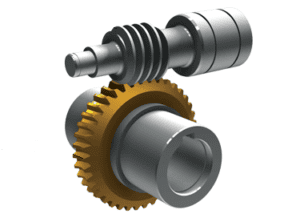
How do you maintain and service a worm gear?
Maintaining and servicing a worm gear is essential to ensure its optimal performance, reliability, and longevity. Regular maintenance helps identify and address potential issues before they escalate, minimizes wear, and extends the lifespan of the gear system. Here are some key steps involved in maintaining and servicing a worm gear:
- Inspection: Conduct routine visual inspections of the worm gear system to check for any signs of wear, damage, or misalignment. Inspect the gear teeth, bearings, housings, and lubrication system. Look for indications of excessive wear, pitting, chipping, or abnormal noise during operation.
- Lubrication: Ensure that the worm gear system is properly lubricated according to the manufacturer’s recommendations. Regularly check the lubricant levels, cleanliness, and viscosity. Monitor and maintain the lubrication system, including oil reservoirs, filters, and seals. Replace the lubricant at recommended intervals or if it becomes contaminated or degraded.
- Tighten fasteners: Over time, vibrations and operational forces can cause fasteners to loosen. Regularly check and tighten any bolts, screws, or clamps associated with the worm gear system. Be cautious not to overtighten, as it may lead to distortion or damage to the gear components.
- Alignment: Check the alignment of the worm gear system periodically. Misalignment can cause excessive wear, increased friction, and reduced efficiency. Adjust and realign the gears if necessary to ensure proper meshing and minimize backlash.
- Cleaning: Keep the worm gear system clean and free from debris, dirt, or contaminants. Regularly remove any accumulated dirt or particles that may affect the gear performance. Use appropriate cleaning methods and solvents that are compatible with the gear materials.
- Load monitoring: Monitor the load conditions of the worm gear system. Ensure that the gear is not operating beyond its rated capacity or encountering excessive shock loads. If needed, consider implementing load monitoring devices or systems to prevent overloading and protect the gear system.
- Periodic inspection and testing: Schedule periodic comprehensive inspections and functional testing of the worm gear system. This may involve disassembling components, checking for wear, measuring gear backlash, and evaluating overall performance. Identify and address any issues promptly to prevent further damage or failure.
- Professional servicing: For complex or critical applications, it may be beneficial to involve a professional service provider or gear specialist for more extensive maintenance or repairs. They can offer expertise in diagnosing issues, performing advanced inspections, and conducting specialized repairs or replacements.
It’s important to follow the manufacturer’s recommendations and guidelines for maintaining and servicing the specific worm gear system. Adhering to proper maintenance practices helps ensure the gear’s optimal performance, reduces the risk of unexpected failures, and maximizes its operational lifespan.
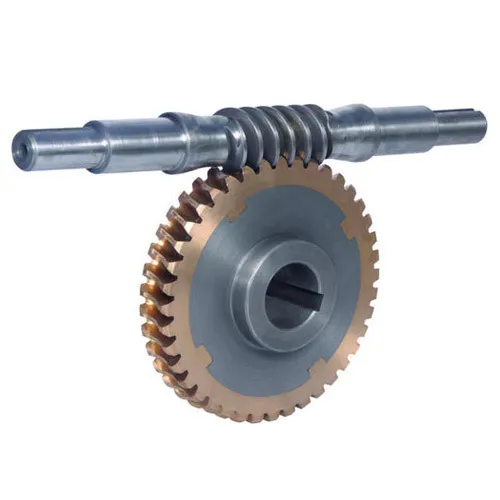
How do you retrofit an existing mechanical system with a worm gear?
When retrofitting an existing mechanical system with a worm gear, several considerations need to be taken into account. Here’s a detailed explanation of the retrofitting process:
- Evaluate the existing system: Before proceeding with the retrofit, thoroughly assess the existing mechanical system. Understand its design, function, and limitations. Identify the specific reasons for considering a worm gear retrofit, such as the need for increased torque, improved efficiency, or enhanced precision.
- Analyze compatibility: Evaluate the compatibility of a worm gear with the existing system. Consider factors such as available space, structural integrity, alignment requirements, and the load-bearing capacity of the system. Ensure that the addition of a worm gear will not compromise the overall performance or safety of the system.
- Select the appropriate worm gear: Based on the requirements and constraints of the retrofit, choose a suitable worm gear. Consider factors such as gear ratio, torque capacity, efficiency, backlash, and mounting options. Select a worm gear that matches the specific needs of the retrofit and is compatible with the existing system.
- Modify or adapt the system: Depending on the compatibility analysis, it may be necessary to modify or adapt certain components of the existing system to accommodate the worm gear. This can involve making adjustments to shafts, bearings, housings, or other mechanical elements. Ensure that any modifications or adaptations are carried out with precision and adhere to industry standards.
- Install the worm gear: Install the selected worm gear into the modified or adapted system. Follow the manufacturer’s instructions and guidelines for proper installation. Pay attention to torque specifications, lubrication requirements, and any specific assembly procedures. Ensure that the worm gear is securely mounted and aligned to minimize misalignment and maximize performance.
- Test and optimize: After the installation, thoroughly test the retrofitted system to ensure its functionality and performance. Conduct tests to verify torque transmission, efficiency, backlash, noise levels, and any other relevant parameters. Monitor the system during operation and make any necessary adjustments or optimizations to fine-tune its performance.
- Document and maintain: Document the retrofitting process, including any modifications, adjustments, or optimizations made to the existing system. Keep records of installation procedures, test results, and maintenance activities. Regularly inspect and maintain the retrofitted system to ensure its continued performance and reliability.
It’s important to note that retrofitting an existing mechanical system with a worm gear requires expertise in mechanical engineering and an understanding of the specific system requirements. If you lack the necessary knowledge or experience, it is advisable to consult with professionals or engineers specializing in power transmission systems to ensure a successful retrofit.
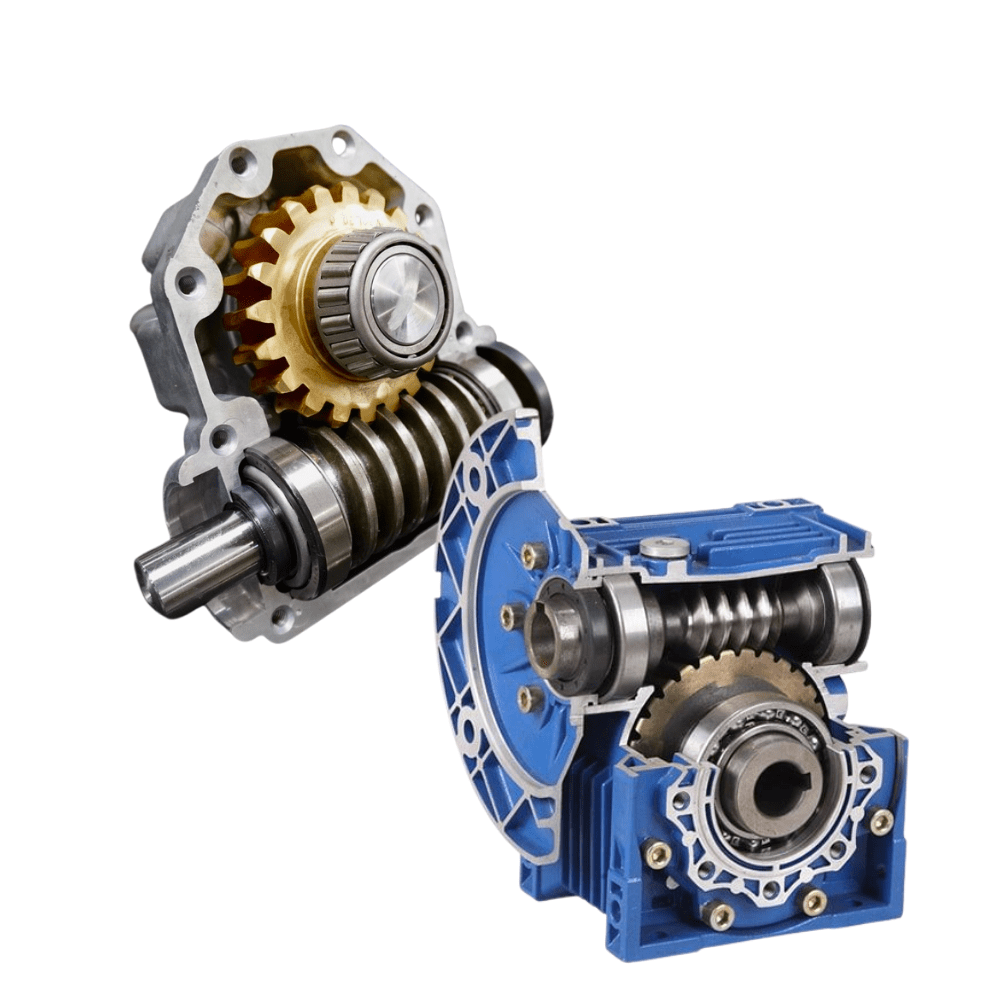
Can you explain the concept of worm and worm wheel in a worm gear?
In a worm gear system, the worm and worm wheel are the two primary components that work together to transmit motion and power. Here’s an explanation of the concept:
Worm:
The worm is a cylindrical shaft with a helical thread wrapped around it. It resembles a screw with a spiral groove. The helical thread is called the worm’s thread or worm thread. The worm is the driving component in the worm gear system.
When the worm rotates, the helical thread engages with the teeth of the worm wheel, causing the worm wheel to rotate. The angle of the helical thread creates a wedging action against the teeth of the worm wheel, resulting in a high gear reduction ratio.
One important characteristic of the worm is its self-locking nature. Due to the angle of the helical thread, the worm can drive the worm wheel, but the reverse is not true. The self-locking feature prevents the worm wheel from backdriving the worm, providing a mechanical brake or holding position in the system.
The worm can be made from various materials such as steel, bronze, or even plastics, depending on the application requirements. It is often mounted on a shaft and supported by bearings for smooth rotation.
Worm Wheel:
The worm wheel, also known as the worm gear, is the driven component in the worm gear system. It is a gear with teeth that mesh with the helical thread of the worm. The teeth on the worm wheel are typically helical and cut to match the angle and pitch of the worm’s thread.
As the worm rotates, its helical thread engages with the teeth of the worm wheel, causing the worm wheel to rotate. The rotation of the worm wheel is in the same direction as the worm’s rotation, but the speed is significantly reduced due to the high gear reduction ratio of the worm gear system.
The worm wheel is usually larger in diameter compared to the worm, allowing for a higher gear reduction ratio. It can be made from materials such as steel, bronze, or cast iron, depending on the application’s torque and durability requirements.
Together, the worm and worm wheel form a compact and efficient gear system that provides high gear reduction and self-locking capabilities. They are commonly used in various applications where precise motion control, high torque, and compactness are required, such as elevators, steering systems, and machine tools.


editor by CX 2023-12-04